
Introduction: Traffic Is Coming, But Clients Are Not
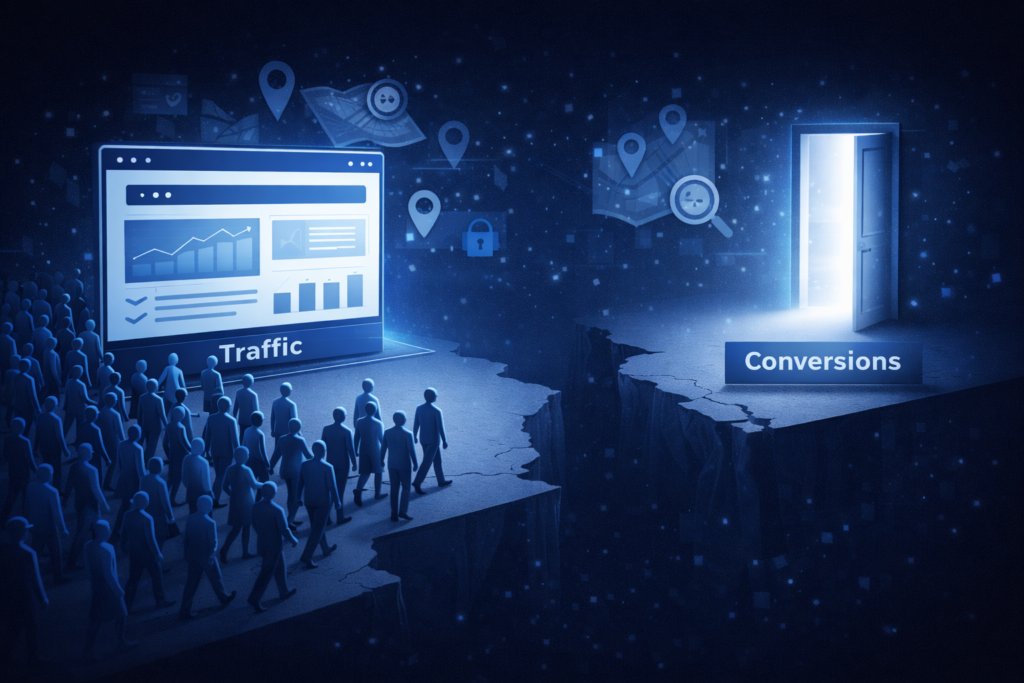
Many service business owners feel frustrated after investing time and money into SEO. Their website starts getting traffic, pages begin to rank, and impressions increase in Google Search Console. But despite all that progress, one major problem remains — leads are not coming in.
This is one of the most common situations in the service industry.
You might have a beautiful website.
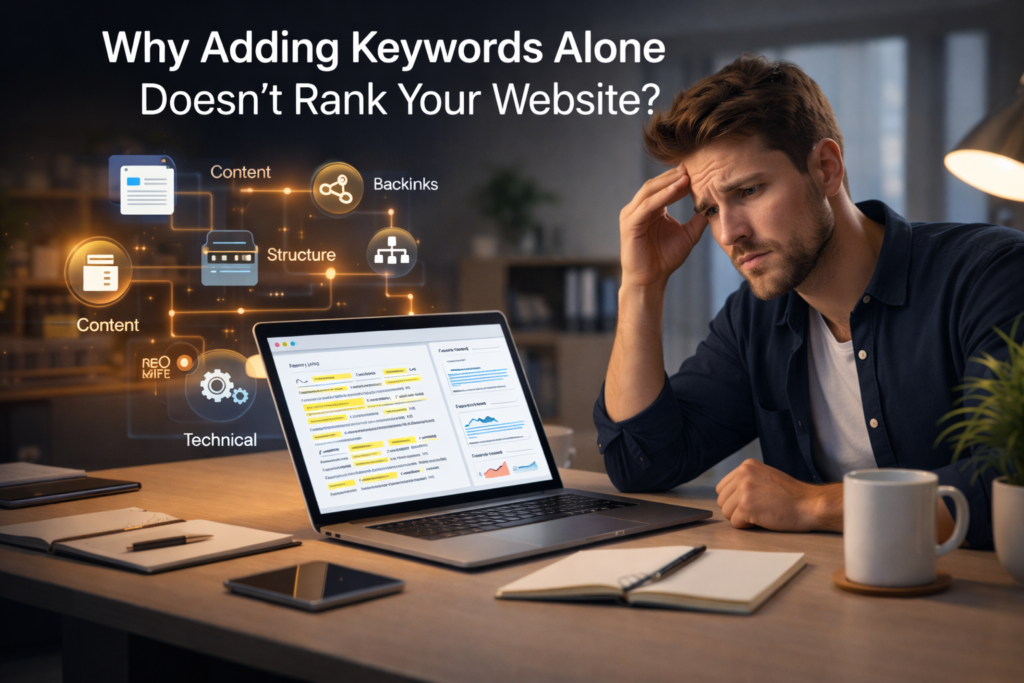
You may have added keywords.
You may even be publishing blogs regularly.
Still, people visit your site and leave without contacting you.
At that point, the big question appears:
“If SEO is working, then why am I not getting clients?”
The truth is simple but often misunderstood. SEO can bring visitors, but it does not automatically bring customers. Ranking is only the first step. Converting visitors into leads requires clarity, trust, structure, and the right strategy.
Most service websites don’t fail because of competition. They fail because the foundation is weak, the message is unclear, and the site is not built to convert.
In this article, we’ll break down the real reasons why many service websites struggle to generate leads even after doing SEO — and what actually makes the difference.
The Biggest Misunderstanding About SEO
One of the biggest misconceptions in the online world is believing that SEO alone brings clients.
Many business owners think:
-
If my website ranks, clients will come automatically
-
If I add keywords, I will get leads
-
If I publish blogs, my phone will start ringing
But SEO does not work like that.
SEO’s main job is to bring visibility. It helps people discover your website when they search for something related to your service. But getting discovered and getting hired are two completely different things.
Ranking brings traffic.
Trust brings leads.
A person can land on your website, scroll for a few seconds, and leave without taking any action. That doesn’t mean SEO failed. It usually means the website didn’t clearly show why that visitor should choose you.
Most service websites focus only on ranking. They forget about positioning, clarity, and communication. Without these elements, traffic comes and goes — but conversions never happen.
Reason #1 – Targeting the Wrong Search Intent
One of the most common mistakes is targeting the wrong type of keywords.
Many websites rank for informational searches instead of service-based searches. For example:
-
“What is SEO?”
-
“How does digital marketing work?”
-
“Benefits of website optimization”
These keywords bring readers, not buyers.
People searching for information are usually learning. They are not ready to hire someone yet. On the other hand, people who search for terms like:
-
“SEO expert near me”
-
“Website optimization service”
-
“Hire SEO consultant”
are closer to making a decision.
If your website mainly targets informational content, you might get traffic but very few leads.
Wrong intent = wrong visitors
Wrong visitors = no conversions
A strong service website needs a healthy balance of content that educates and pages that sell. Without service-intent targeting, even high traffic numbers may not turn into real business.
Reason #2 – Weak Service Page Structure
Your service page is the heart of your website. This is where visitors decide whether they trust you or not.
But many service pages are poorly structured. They often:
-
Start with generic introductions
-
Don’t clearly explain the problem they solve
-
Don’t show who the service is for
-
Lack strong headlines
-
Don’t guide visitors toward action
When someone lands on a service page, they are looking for clarity. They want quick answers:
-
What do you do?
-
Who do you help?
-
How can you solve my problem?
-
Why should I choose you?
If they can’t find these answers within a few seconds, they leave.
A weak structure creates confusion. And confusion kills conversions.
A strong service page should clearly show:
-
The problem you solve
-
Your process
-
Your experience
-
Real outcomes
-
A clear next step
Without this structure, even good SEO traffic will not convert into leads.
Reason #3 – Lack of Trust Signals
Before contacting any service provider, people look for signals that make them feel safe.
They ask themselves silently:
-
Is this person experienced?
-
Can I trust this website?
-
Do they really know what they’re doing?
If your website doesn’t answer these questions, visitors hesitate.
Trust signals include things like:
-
Clear explanations
-
Professional content
-
Consistent messaging
-
Case-based examples
-
Helpful insights
Even small details matter. A site that looks unclear or incomplete makes people uncomfortable. And when trust is missing, visitors prefer to leave instead of contacting.
Many service websites focus only on describing services but forget to build credibility. Without credibility, traffic does not turn into inquiries.
Reason #4 – Google Trust and Authority Issues
Another hidden reason why leads don’t come is lack of website authority.
Google does not just rank pages. It evaluates websites as a whole. It tries to understand whether a site is focused, consistent, and reliable.
New websites often face these challenges:
-
Limited content depth
-
Weak topical authority
-
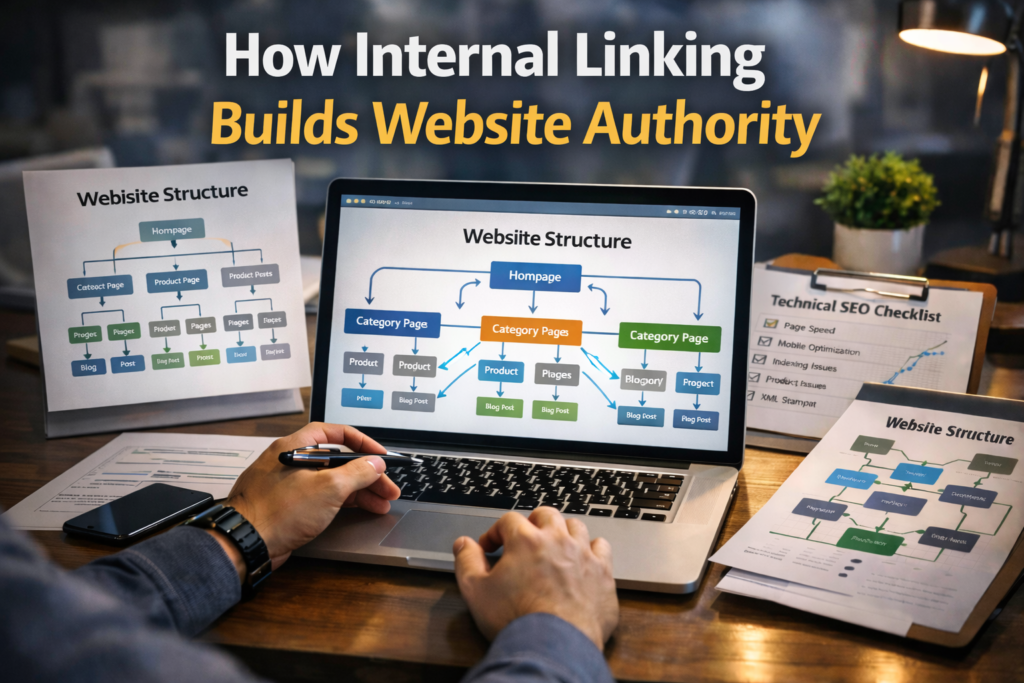
Poor internal linking
-
Low overall site trust
Even if one page ranks, the overall brand may not feel strong enough to visitors.
When users land on a website that looks new or unclear, they may not feel confident enough to reach out. They may read, explore a bit, and then continue searching for other options.
Authority is built over time through:
-
Consistent content
-
Clear niche focus
-
Structured pages
-
Strong site organization
Without this foundation, the website may get visibility but not strong conversion.
Reason #5 – Hidden Technical SEO Problems
Sometimes, the issue is not visible at first glance.
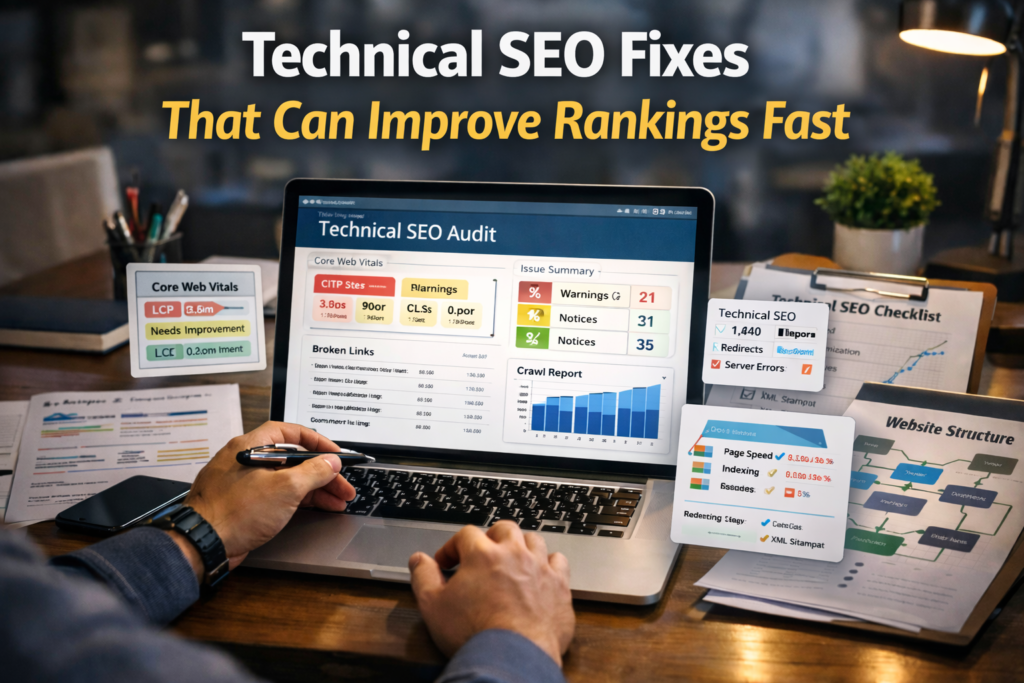
Many websites have technical problems that stop them from performing at their full potential. These issues may not be obvious to business owners, but they can affect both rankings and user experience.
Some common technical issues include:
-
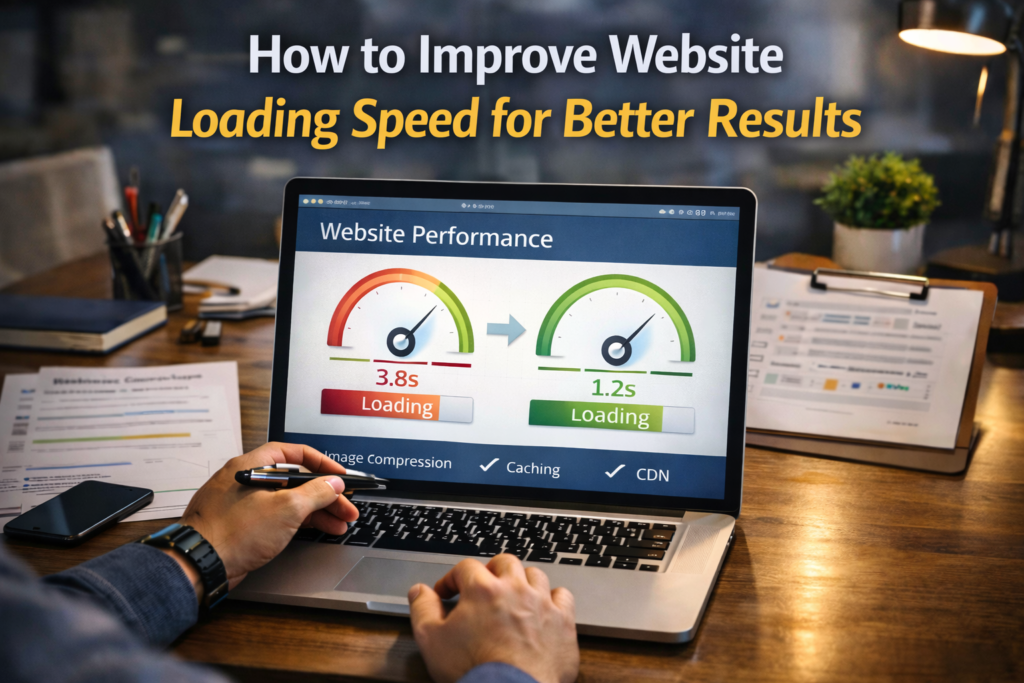
Slow page loading
-
Poor mobile usability
-
Broken internal linking
-
Indexing problems
-
Confusing site structure
When a website loads slowly or feels difficult to navigate, visitors lose interest quickly. Even if they initially planned to explore more, frustration pushes them away.
From an SEO perspective, technical problems can also limit how well Google understands your site. If search engines struggle to crawl and interpret your pages, rankings and visibility may remain unstable.
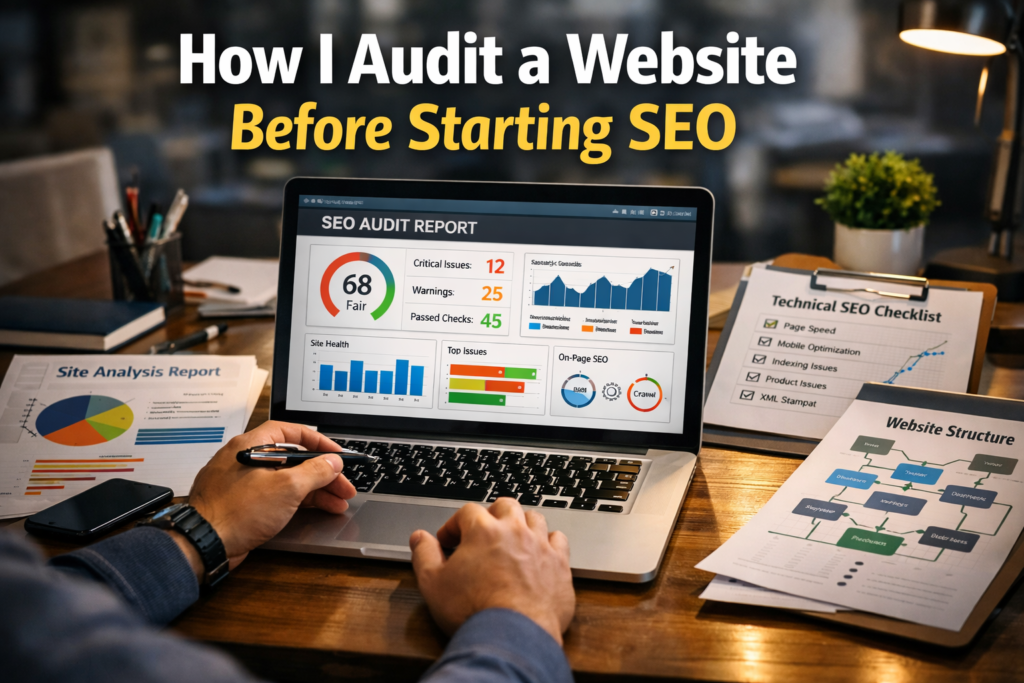
In many website audits, small technical errors are often found silently affecting performance. Fixing these issues can significantly improve both user experience and lead potential.
Reason #6 – No Clear Conversion Path
Even when traffic is good and trust is present, leads may still not come if there is no clear next step.
Many websites forget to guide visitors.
Visitors should not have to guess what to do next. If the only option is a small “Contact Us” button at the bottom, many people will leave without taking action.
A strong service website gently leads visitors toward conversion. This can be done by:
-
Clear calls-to-action
-
Easy navigation
-
Simple communication options
-
Structured content flow
When visitors understand the process and feel guided, they are more likely to take the next step.
Without direction, interest fades.
What Actually Brings Leads?
Leads are the result of multiple elements working together.
SEO brings people in.
Structure keeps them engaged.
Trust makes them feel safe.
Clarity helps them decide.
Real lead generation happens when:
-
The right audience finds your site
-
The service page clearly explains the value
-
The website feels professional and focused
-
Visitors feel understood
-
The next step is simple and obvious
This is why two websites can have similar traffic but very different results.
One converts.
The other does not.
The difference is not just SEO. It’s the complete experience.
The Importance of a Strong Foundation
In many service websites, the real issue is not a lack of effort. It’s a lack of direction.
Some focus only on keywords.
Some focus only on content.
Some focus only on design.
But real growth comes from balance.
A strong foundation includes:
-
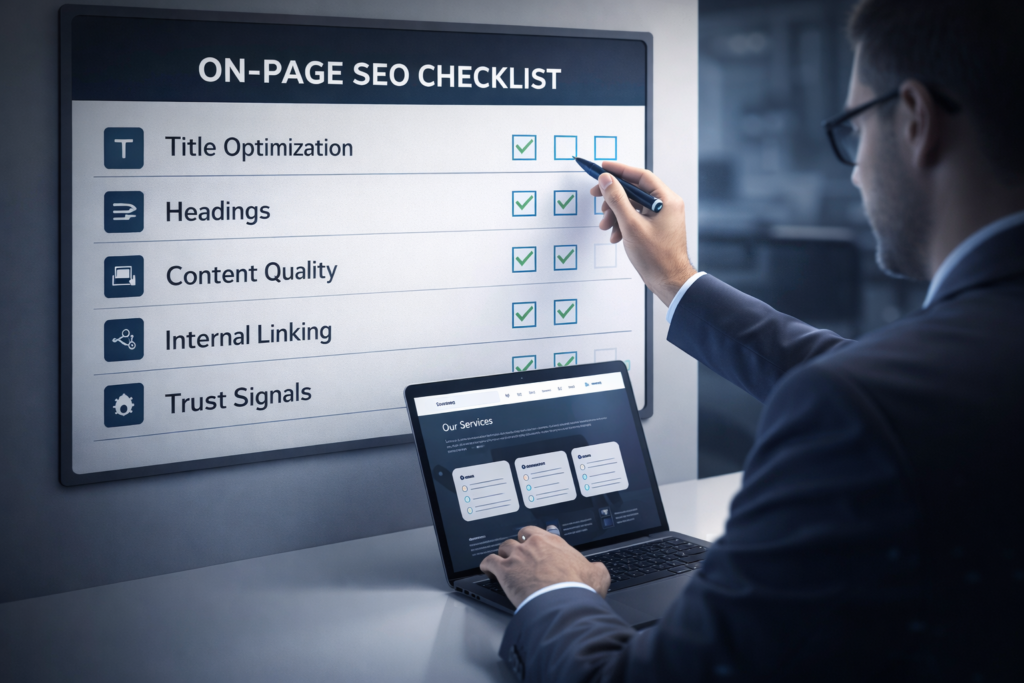
Proper page structure
-
Clear positioning
-
Consistent topic focus
-
Clean technical setup
-
Helpful, experience-driven content
In many website reviews and audits, patterns appear again and again. Small mistakes in structure, messaging, or clarity quietly block growth. Once these gaps are fixed, performance often improves naturally.
That’s why building the right base matters more than chasing quick rankings.
Conclusion: SEO Is Not Just About Ranking
SEO is powerful. It can bring the right people to your website. But it is only the beginning of the journey.
If your site is getting traffic but not leads, it does not mean SEO failed. It usually means something deeper needs attention.
Maybe the intent is wrong.
Maybe the structure is weak.
Maybe trust is missing.
Maybe technical issues are slowing things down.
Most of the time, the difference between a website that gets traffic and a website that gets clients comes down to clarity, trust, and direction.
Small gaps can quietly stop big opportunities.
When the foundation becomes strong, everything changes. Visitors stay longer. They understand your value. And most importantly, they feel confident enough to reach out.
That’s when SEO truly starts working — not just as a ranking tool, but as a growth engine.