Introduction: The Hidden Frustration Behind “Good” SEO Results
Many website owners experience this exact situation.
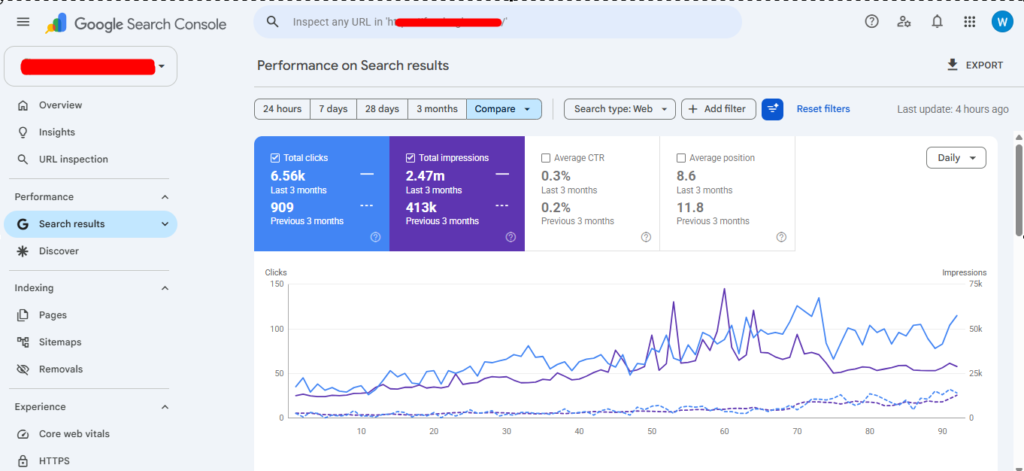
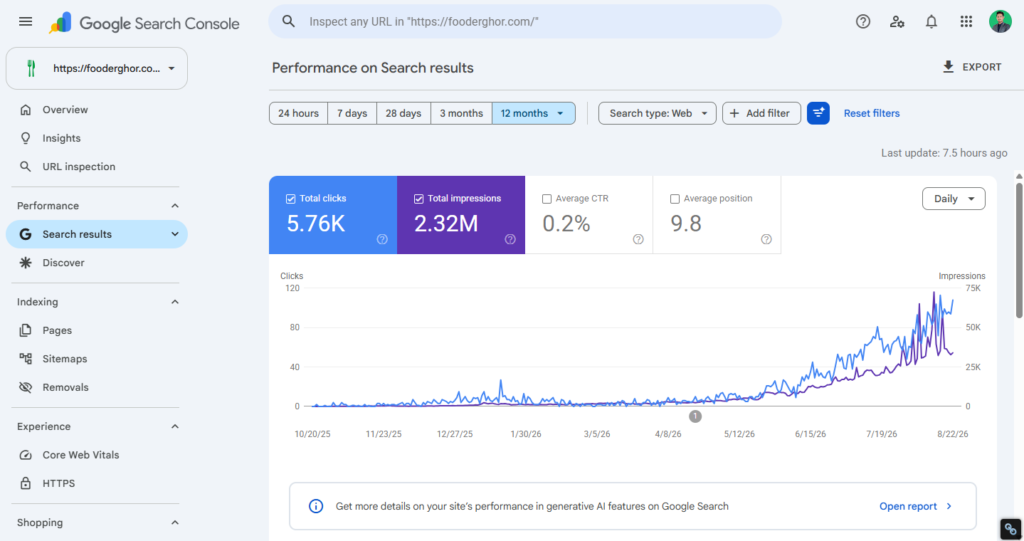
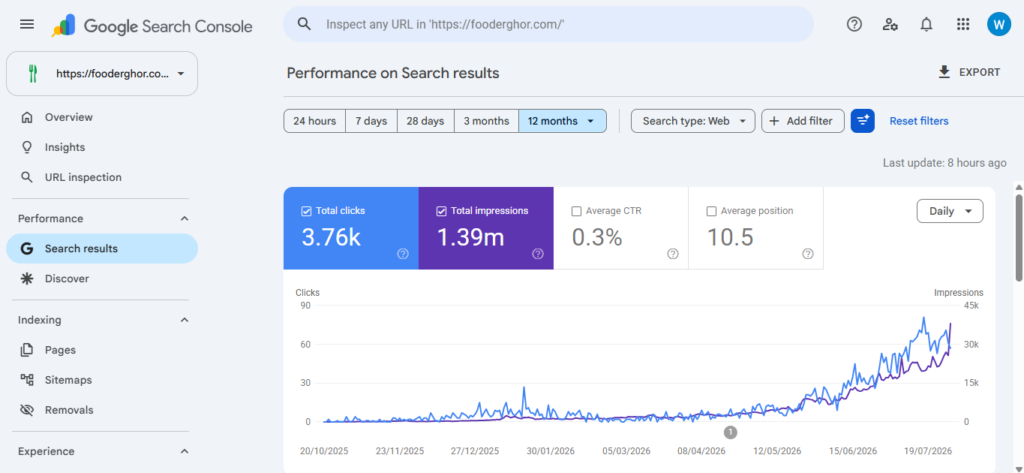
You open Google Search Console and see impressions growing.
Your service page is getting clicks.
Traffic is slowly increasing.
At first, it feels exciting.
Because finally, SEO is working.
But after a few weeks, something feels off.
You notice:
People are visiting your service page…
But nobody is contacting you.
No messages.
No inquiries.
No clients.
That’s when the real confusion begins.
You start asking questions like:
-
If people are visiting my site, why aren’t they reaching out?
-
Is my service page weak?
-
Is my SEO strategy wrong?
-
Am I attracting the wrong audience?
This is one of the most common and misunderstood problems in the service business world.
And here’s the truth:
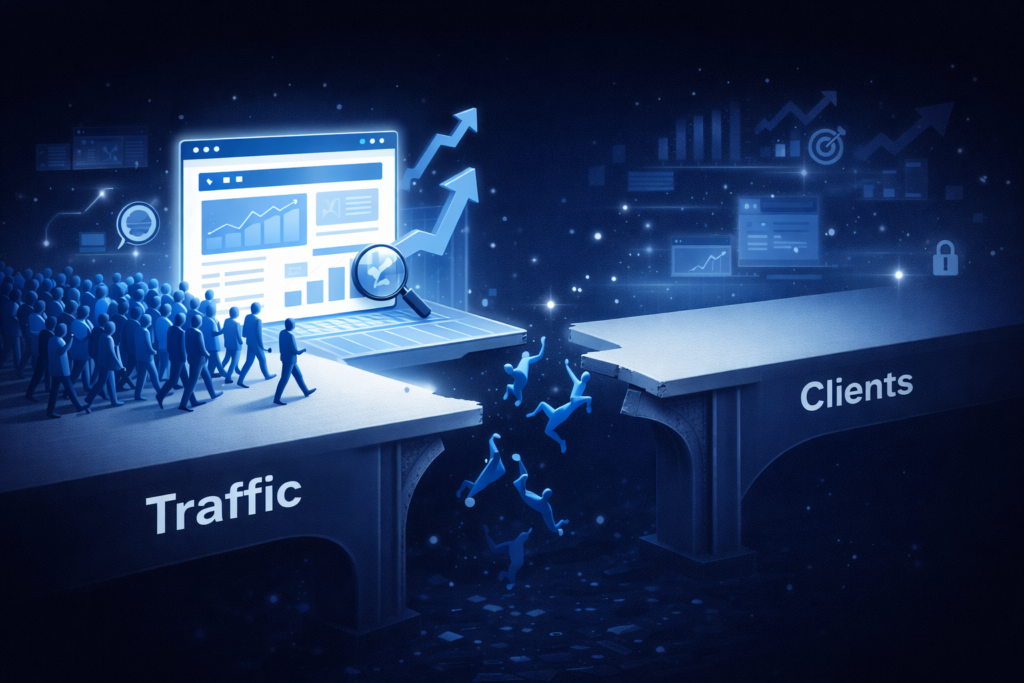
Getting traffic is only half the journey.
Traffic means visibility.
Clients mean trust.
And there’s a big gap between those two.
In this article, we’ll break down the real reasons why your service page may be getting traffic but not clients — and what actually makes the difference between a visitor and a buyer.
Traffic Does Not Equal Trust
One of the biggest misconceptions in SEO is this:
“If my page ranks and gets traffic, clients will come automatically.”
But real life doesn’t work like that.
People don’t hire just because they landed on a page.
They hire when they feel:
-
Understood
-
Safe
-
Confident
-
Clear about what will happen next
Your service page might be attracting visitors, but if it fails to build trust quickly, they leave.
This is the moment where most conversions are lost.
The First 5 Seconds Decide Everything
When someone lands on your service page, they don’t read everything.
They scan.
In the first few seconds, they silently ask:
-
Am I in the right place?
-
Is this person solving my problem?
-
Does this look professional?
-
Can I trust this?
If the answers are unclear, they leave.
Even if your service is excellent.
Even if your SEO is strong.
Because clarity and trust matter more than traffic.
Reason #1 – You’re Attracting the Wrong Type of Visitors
Sometimes traffic grows, but the visitors are not potential clients.
This happens when your page ranks for informational keywords instead of service-intent keywords.
For example:
-
“What is SEO?”
-
“Benefits of SEO”
-
“How websites rank”
These searches bring learners, not buyers.
People reading these are curious. They are researching. They are not ready to hire.
But when someone searches:
-
“SEO expert near me”
-
“Hire SEO consultant”
-
“Fix website SEO”
That person is closer to becoming a client.
If your traffic is mostly coming from learning-based searches, you may get numbers but not conversions.
Wrong audience = low leads.
Reason #2 – Your Service Page Talks Too Much About You
Many service pages focus heavily on the business itself.
They talk about:
-
Experience
-
Skills
-
Tools
-
Achievements
But forget to focus on the client’s problem.
Visitors don’t land on a page thinking:
“I want to learn about this person.”
They are thinking:
“I want my problem solved.”
If your page does not quickly show:
-
What problem you solve
-
Who you help
-
What result they can expect
People lose interest.
Connection happens when visitors feel understood.
Reason #3 – Weak Emotional Connection
Buying a service is not only a logical decision.
It’s emotional.
People want to feel:
-
Safe
-
Understood
-
Confident
If your service page feels cold, robotic, or generic, visitors don’t feel that connection.
Even small things matter.
Tone.
Clarity.
Relatability.
When a page feels human, trust builds faster.
And trust is what turns traffic into clients.
Reason #4 – Lack of Clear Positioning
Many service pages fail because they are too broad.
They try to serve everyone.
But when a message is too general, it feels weak.
Visitors want to know:
-
Is this service for someone like me?
-
Does this person understand my situation?
If your page doesn’t clearly define who it helps, it feels less relevant.
Clear positioning creates stronger connection.
Reason #5 – No Clear Next Step
This is one of the biggest conversion killers.
Visitors may like your page.
They may understand your service.
They may even be interested.
But if they don’t know what to do next, they leave.
A service page should guide the visitor naturally toward action.
Without pressure.
Without confusion.
If the only option is a small contact link hidden somewhere, many people won’t take the step.
People need direction.
Reason #6 – Trust Signals Are Too Weak
Before contacting a service provider, visitors look for signals.
They ask themselves:
-
Is this real?
-
Is this person experienced?
-
Is this website serious?
Trust signals don’t always mean testimonials or reviews.
They can be:
-
Clear explanations
-
Helpful insights
-
Consistent content
-
Professional design
-
Structured information
If a page feels unfinished or unclear, trust drops quickly.
And when trust drops, conversions stop.
Reason #7 – The Page Feels Too Salesy
This may sound surprising, but being too aggressive can hurt conversions.
If your page sounds like:
-
“Best service ever”
-
“Top expert”
-
“Guaranteed results”
People become cautious.
They prefer clarity over hype.
A calm, confident, helpful tone builds more trust than strong sales language.
Reason #8 – Visitors Need More Time to Decide
Not everyone contacts on the first visit.
Some people:
-
Explore multiple pages
-
Compare options
-
Come back later
If your website doesn’t have enough supporting content, visitors may leave to learn more elsewhere.
This is why blogs, guides, and supporting content help.
They build familiarity.
And familiarity builds comfort.
Reason #9 – Technical Friction Stops Action
Sometimes the problem isn’t content.
It’s experience.
If the page:
-
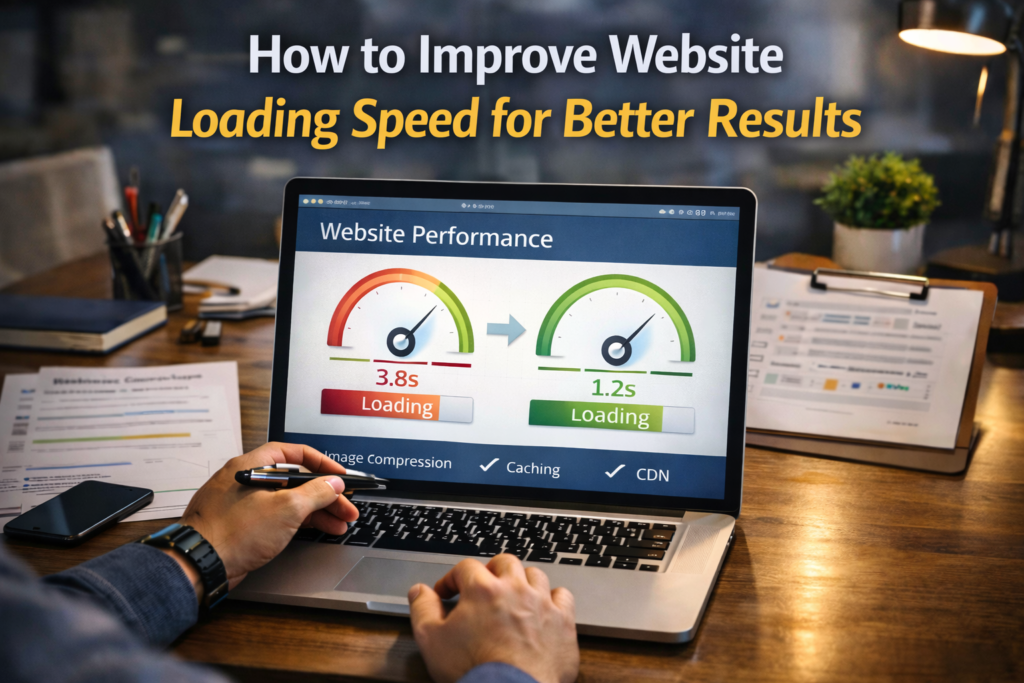
Loads slowly
-
Feels confusing
-
Is hard to navigate
-
Doesn’t work well on mobile
Visitors lose patience.
Even small friction can stop action.
People want things to feel easy.
Reason #10 – Your Brand Still Feels New
New websites often face a silent challenge.
Even if the content is good, visitors may hesitate.
Because they don’t recognize the brand.
They don’t know the story.
They don’t see long-term presence.
Over time, as your site grows and content increases, this slowly changes.
But in the early stage, patience matters.
The Real Journey From Traffic to Clients
Think of it like a path.
Step 1: SEO brings visitors.
Step 2: Clarity keeps them engaged.
Step 3: Trust builds confidence.
Step 4: Connection leads to action.
If any step is weak, conversions slow down.
Traffic alone cannot complete this journey.
What Actually Turns Visitors Into Clients?
In many service websites, conversions improve when:
-
The message becomes clearer
-
The page feels more human
-
The problem is explained better
-
The structure becomes easier to follow
Small improvements can create big changes.
Because visitors don’t need perfection.
They need confidence.
Why Some Pages Convert Better Than Others
Two service pages can get similar traffic.
But one gets inquiries.
The other doesn’t.
The difference often comes down to:
-
Clarity
-
Focus
-
Trust
-
Direction
When a page speaks directly to a visitor’s situation, it feels personal.
And that’s when connection happens.
The Importance of a Strong Foundation
Many website owners focus only on rankings.
But real results come from balance.
A strong service page needs:
-
Good SEO
-
Clear structure
-
Human messaging
-
Technical stability
-
Trust signals
When all of these work together, performance improves naturally.
Conclusion: Traffic Is Only the Beginning
If your service page is getting traffic but no clients, it does not mean your SEO is failing.
It means something deeper needs attention.
Maybe the audience is wrong.
Maybe the message is unclear.
Maybe trust is missing.
Maybe visitors feel unsure.
These are common challenges.
And they can be fixed.
Real growth happens when a service page does more than rank.
It connects.
It understands.
It guides.
And when visitors feel that, they take the next step.
That’s when traffic turns into trust.
And trust turns into clients.