On-Page SEO Service | SEO Expert Tanvir

On-Page SEO Service

Optimize Smarter, Rank Higher: Strategic On-Page SEO That Google Trusts

Most websites don’t struggle because they lack traffic.

They struggle because their pages are not optimized to deserve rankings.

You can publish great content.

You can build backlinks.

You can invest in SEO tools.

But if your pages are not properly optimized internally, Google has no clear reason to rank you above competitors.

This is where professional On-Page SEO makes the difference.

On-Page SEO is not about stuffing keywords.

It is not about adding meta tags randomly.

It is not about installing plugins and hoping for rankings.

It is about structure.

It is about clarity.

It is about search intent alignment.

It is about making Google understand exactly why your page deserves visibility.

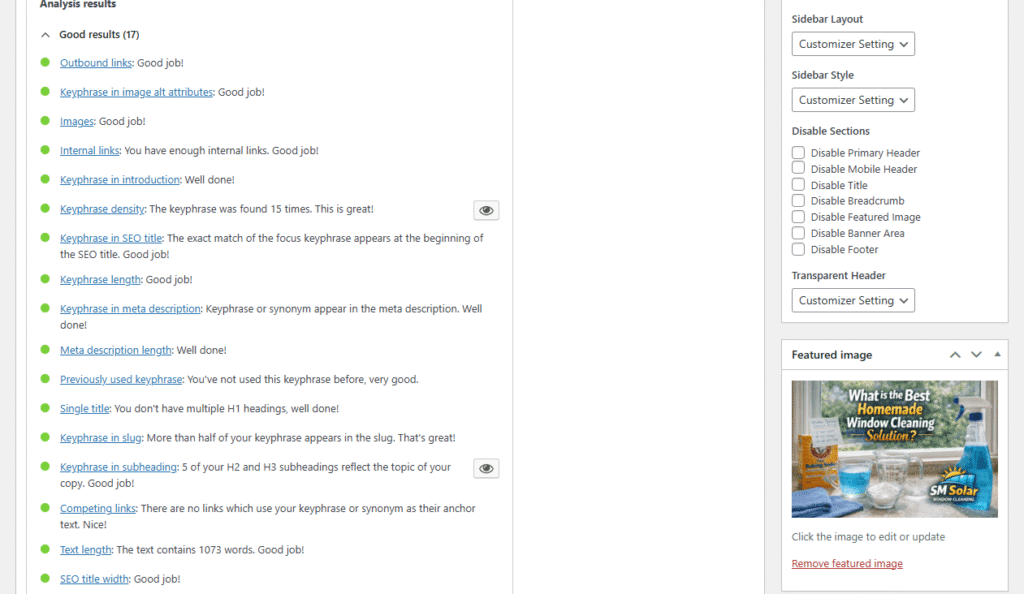
I provide strategic, data-driven On-Page SEO optimization designed to improve rankings, increase relevance, enhance user experience, and maximize conversions.

This is not surface-level optimization.

This is structural SEO engineering.

Why On-Page SEO Is the Core of Ranking Success

Search engines evaluate pages based on clarity and value.

Google asks:

• What is this page about?

• Does it fully satisfy the user’s search intent?

• Is it structured logically?

• Is it better than existing results?

If your page cannot clearly answer those questions, rankings become difficult.

Without proper On-Page SEO:

• Google misinterprets your content

• Keywords don’t align with search intent

• Pages compete with each other

• Users leave quickly

• Conversion rates drop

On-Page SEO acts as the foundation that connects:

Keyword research

Content strategy

Technical signals

User behavior

Conversion optimization

It transforms content into ranking assets.

What Makes My On-Page SEO Different

Many people optimize pages mechanically.

I optimize them strategically.

Basic On-Page SEO often includes:

• Adding keywords to title

• Writing meta descriptions

• Adding internal links

• Adjusting headings

That is basic optimization.

Professional On-Page SEO includes:

• Search intent mapping

• Content structure engineering

• Semantic keyword integration

• Topical authority alignment

• Conversion flow optimization

• User behavior psychology

• Algorithm compliance

I do not optimize for robots alone.

I optimize for:

Google understanding

User engagement

Business growth

Because rankings without conversions are meaningless.

My On-Page SEO Framework: Built for Sustainable Rankings

I follow a structured multi-layer optimization process.

This ensures every page becomes stronger both technically and strategically.

Step 1 – Page Audit & Structural Analysis

Before changing anything, I analyze:

• Current keyword targeting

• Title and meta structure

• Heading hierarchy

• Content depth

• Internal linking

• External linking

• URL structure

• Indexing status

• Content uniqueness

This identifies:

Weak signals

Over-optimization

Missing relevance

Intent mismatch

Optimization without audit is guessing.

Audit provides direction.

Step 2 – Search Intent Alignment

Every page must match a clear intent.

I identify whether the page should target:

Informational intent

Commercial intent

Transactional intent

Navigational intent

Then I restructure the content accordingly.

If intent and content mismatch, rankings suffer.

Search intent alignment is one of the most powerful ranking factors today.

Step 3 – Keyword Placement Strategy

Keyword placement is not random.

It follows a hierarchy.

Primary keyword placement includes:

• Page title

• Meta title

• URL

• First 100 words

• H1

• H2 sections

• Image alt text

• Anchor text

But placement must feel natural.

Over-optimization can trigger ranking suppression.

I balance optimization with readability.

Step 4 – Content Depth & Topical Authority Enhancement

Google rewards comprehensive coverage.

Thin content struggles.

I improve:

• Content completeness

• Subtopic coverage

• FAQ additions

• Supporting semantic terms

• Entity optimization

This improves topical authority signals.

When Google sees depth and relevance, trust increases.

Step 5 – Internal Linking Architecture

Internal linking is one of the most underused SEO strengths.

I optimize:

• Contextual internal links

• Anchor text distribution

• Page authority flow

• Orphan pages

• Crawl depth

Strong internal linking helps:

Distribute authority

Improve indexing

Increase time on site

Strengthen keyword themes

Internal SEO structure influences rankings heavily.

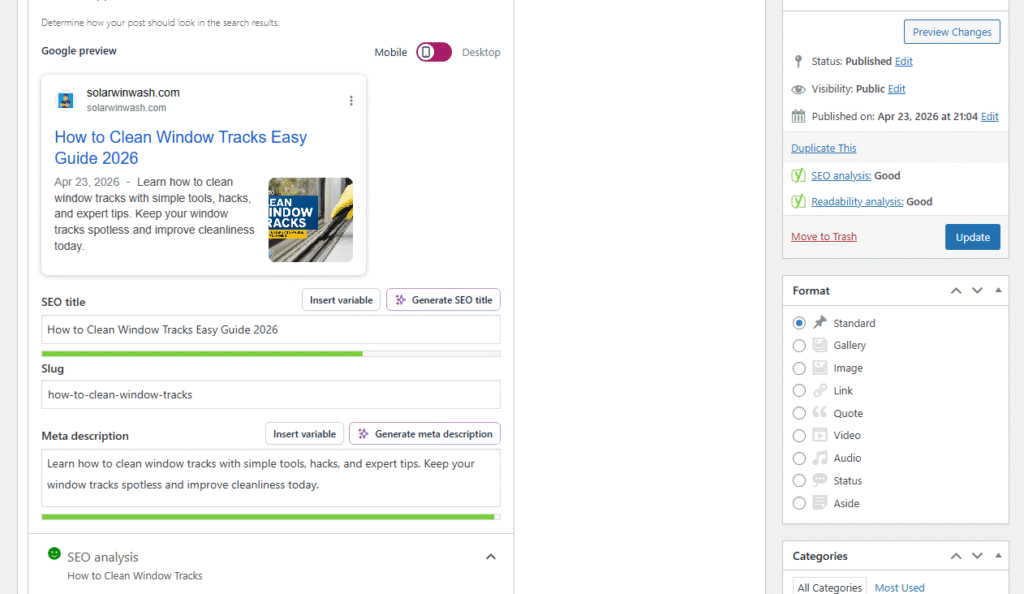
Step 6 – Meta Optimization for Click-Through Rate

Ranking is not enough.

Clicks matter.

I optimize:

• Meta titles for CTR

• Emotional triggers

• Value-driven headlines

• Power words

• Character limits

• SERP positioning strategy

Higher CTR sends positive engagement signals to Google.

Step 7 – URL & Site Structure Optimization

Clean URLs improve:

User trust

Search engine understanding

Crawl efficiency

I optimize:

• URL hierarchy

• Keyword clarity

• Shortness and readability

• Category alignment

Structure builds authority signals.

Step 8 – Image & Media Optimization

Images also influence SEO.

I optimize:

• File naming

• Alt text

• Compression

• Lazy loading

• Relevance

This improves:

Accessibility

Page speed

Contextual relevance

Step 9 – Technical On-Page Enhancements

Modern On-Page SEO includes technical signals.

I optimize:

• Page speed improvements

• Core Web Vitals factors

• Mobile responsiveness

• Schema markup

• Canonical tags

• Indexing control

• Structured data

Technical stability builds trust with search engines.

Advanced On-Page Optimization Strategies

Semantic SEO Integration

Google understands context.

I integrate:

• Related entities

• Synonyms

• LSI keywords

• Topic variations

This strengthens relevance without keyword stuffing.

Conversion-Oriented Content Optimization

Traffic without conversion wastes potential.

I optimize for:

• Clear CTAs

• Value positioning

• Trust signals

• Social proof placement

• Psychological triggers

SEO must support business results.

Content Gap Optimization

Sometimes pages underperform because competitors provide more value.

I analyze competitor pages and upgrade content beyond them.

Better structure

Better clarity

Better depth

That creates ranking leverage.

Detailed Semantic SEO & LSI Logic

Optimizing for Context, Not Just Keywords

Modern SEO is no longer keyword matching.

It is context understanding.

Google does not rank pages simply because a keyword appears multiple times. It ranks pages because it understands meaning, relationships, and topical depth.

Google Hummingbird & BERT: The Shift Toward Context

When Google introduced the Hummingbird update, it fundamentally changed how search worked. Instead of matching exact keywords, Google began interpreting the full meaning of queries.

Later, BERT improved Google’s ability to understand natural language, sentence structure, and user intent.

What this means:

Google now analyzes:

• The relationship between words

• Context within sentences

• Search intent behind queries

• Topic depth

• Semantic connections

If your content only repeats a keyword without context expansion, it will struggle.

I optimize pages to match contextual meaning.

Instead of focusing on one primary keyword, I expand:

• Related subtopics

• Synonyms

• Question variations

• Entity relationships

• Problem-solution angles

This builds semantic richness.

And semantic richness builds authority.

TF-IDF Analysis: Mathematical Content Optimization

TF-IDF stands for Term Frequency-Inverse Document Frequency.

It sounds technical. But it is powerful.

This method analyzes:

• Which important terms competitors use

• How frequently they use them

• Which relevant terms your content is missing

I use TF-IDF logic to:

• Identify content gaps

• Discover missing supporting terms

• Improve topical coverage

• Enhance keyword depth naturally

For example:

If top-ranking pages for “On-Page SEO” consistently mention:

Meta tags

Internal linking

Search intent

Core Web Vitals

Schema markup

And your page barely mentions them, Google may consider it incomplete.

TF-IDF helps ensure your page is not just optimized.

It is complete.

Entity-Based SEO & Google Knowledge Graph

Google increasingly relies on entity recognition.

An entity can be:

• A person

• A brand

• A location

• A concept

• A technology

Google connects entities inside its Knowledge Graph.

When your content clearly defines and connects relevant entities, Google understands your page better.

For example:

Instead of just writing “SEO tools,” I reference:

• Specific platforms

• Optimization concepts

• Recognized SEO frameworks

• Industry standards

This helps Google see your page as part of a larger authoritative network.

Entity optimization improves:

Relevance

Trust

Topical authority

Search visibility

Semantic SEO is not optional anymore.

It is foundational.

The Psychology of Search Intent

Controlling the User Journey From Query to Conversion

Search intent is not just a ranking factor.

It is psychological positioning.

Every search reflects a mindset.

Understanding that mindset allows us to design pages strategically.

Informational Intent Optimization Checklist

Users are learning.

They want clarity.

For informational pages, I optimize:

• Clear headings

• Step-by-step explanations

• Bullet points

• FAQ sections

• Supporting examples

• Internal links to deeper resources

Goal:

Build trust and keep users engaged.

Navigational Intent Optimization Checklist

Users are searching for a brand or specific destination.

For navigational pages, I optimize:

• Clear brand signals

• Structured layout

• Fast loading

• Clear contact options

• Strong homepage linking

Goal:

Reduce friction and improve brand authority signals.

Commercial Intent Optimization Checklist

Users are comparing.

For commercial pages, I include:

• Comparison tables

• Feature breakdowns

• Case studies

• Testimonials

• Trust badges

• Clear differentiation

Comparison elements increase dwell time.

They also support decision-stage thinking.

Transactional Intent Optimization Checklist

Users are ready to act.

For transactional pages, I focus on:

• Strong CTAs

• Benefit-focused headlines

• Risk reduction messaging

• Social proof

• Clear pricing structure

• Contact simplicity

The goal is momentum.

No confusion. No friction.

User Journey Mapping Strategy

I map the user’s psychological journey:

Search query

Landing page

Information validation

Trust building

Internal link movement

Conversion action

Every section of content should move users forward.

SEO without journey control loses conversions.

Advanced Internal Linking Strategies

Engineering Authority Flow Inside Your Website

Internal linking is structural power distribution.

It controls how authority flows across your website.

Topic Clusters & Pillar-Cluster Model

I structure websites using the hub-and-spoke model.

Pillar page:

Broad, comprehensive topic.

Cluster pages:

Focused subtopics linked to the pillar.

Each cluster links back to the pillar.

This creates:

Strong topical relevance

Clear site architecture

Authority consolidation

Google understands that the pillar page represents core expertise.

Link Juice & PageRank Distribution

Some pages naturally gain more authority.

For example:

Homepage

High-performing blog posts

Pages with backlinks

I strategically transfer authority from high-authority pages to:

New pages

Low-ranking pages

Conversion pages

This improves:

Crawl efficiency

Ranking potential

Indexing speed

Authority flow is never accidental.

It is engineered.

Anchor Text Diversity Strategy

Generic anchor text like “Click here” wastes SEO potential.

I use:

• Exact match anchors

• Partial match anchors

• Branded anchors

• Descriptive anchors

Balanced ratio prevents over-optimization.

It also improves contextual clarity.

Anchor diversity protects and strengthens rankings.

Content Engineering & Readability Science

Designing Content for Human Scanning Behavior

Content is not just written.

It is engineered.

F-Pattern & Z-Pattern Reading Behavior

Users scan content in patterns.

Most users read:

Top line

Left side

Subheadings

Bold sections

I structure pages with:

Short paragraphs

Bullet points

Bold emphasis

White space

Clear hierarchy

This increases:

Time on page

Engagement

Scroll depth

The Inverted Pyramid Method

The most important information must appear first.

Why?

Because users decide quickly.

I structure pages so that:

Key value propositions appear at the top

Benefits are clearly visible

Intent alignment is immediate

This reduces bounce rate.

Bucket Brigades to Reduce Bounce Rate

Short transitional phrases like:

Here’s why this matters.

But that’s not all.

Now consider this.

These keep readers moving.

Small psychological triggers reduce drop-off rates significantly.

Image SEO Beyond Alt Tags

Image optimization is more than adding alt text.

Next-Gen Formats: WebP & AVIF

Modern image formats reduce file size without reducing quality.

I implement:

WebP

AVIF

This improves:

Load speed

Core Web Vitals

Mobile performance

Image Schema Markup

Structured data can help images appear in enhanced search results.

I implement:

ImageObject schema

Product image schema

Article image schema

This improves visibility.

SVG Optimization

For logos and icons, SVG is ideal.

Benefits:

Scalable

Lightweight

High clarity

Fast loading

Optimized SVG supports UX and speed simultaneously.

UX as an On-Page Ranking Factor

Core Web Vitals & Experience Optimization

On-Page SEO now includes user experience.

Google measures:

LCP

FID

CLS

LCP: Largest Contentful Paint

Measures loading speed of the main element.

I improve LCP by:

Optimizing images

Reducing server response time

Minimizing render-blocking scripts

FID: First Input Delay

Measures responsiveness.

I reduce FID by:

Minimizing JavaScript

Improving interaction readiness

Optimizing scripts

CLS: Cumulative Layout Shift

Measures visual stability.

I fix CLS by:

Setting image dimensions

Avoiding dynamic shifts

Stabilizing layouts

Mobile-First Indexing

Google indexes mobile versions first.

I ensure:

Responsive layout

Mobile-optimized headings

Fast mobile load

Touch-friendly design

Clear mobile CTAs

User experience is now a ranking factor.

Optimization must reflect that.

Industry-Specific On-Page SEO Strategies

Different industries require different optimization models.

On-Page SEO for E-commerce

Focus areas:

Product title optimization

Structured product descriptions

Schema markup

User reviews

Internal linking between related products

Clear category hierarchy

Optimized product pages increase transactional conversions.

On-Page SEO for SaaS

Focus areas:

Feature pages

Use-case pages

Benefit-driven content

Comparison sections

Technical documentation linking

Conversion-focused CTAs

SaaS SEO requires clarity and value demonstration.

On-Page SEO for Local Businesses

Focus areas:

NAP consistency

Location keywords

Google Map embedding

Local schema

Service area pages

Local testimonials

Local signals improve geographic relevance.

On-Page SEO for Affiliate & Blogs

Focus areas:

Review structure

Comparison tables

Pros and cons sections

FAQ schema

Internal linking

Affiliate disclosure placement

Trust structure directly affects rankings.

On-Page SEO vs Off-Page SEO

On-Page SEO focuses on:

Content optimization

Structure

Intent alignment

User experience

Technical elements

Off-Page SEO focuses on:

Backlinks

Brand mentions

Authority signals

External credibility

Both matter.

But without strong On-Page SEO, backlinks lose power.

10 Common On-Page SEO Mistakes

Keyword cannibalization

Over-optimization

Thin content

Poor heading structure

Missing search intent

Weak internal linking

Ignoring mobile UX

Slow page speed

Duplicate meta tags

Ignoring schema markup

Avoiding these mistakes alone can significantly improve rankings.

What You Will Get

Complete On-Page SEO audit

Full page optimization

Keyword placement refinement

Search intent alignment

Internal linking strategy

Meta optimization

Technical corrections

Content improvement suggestions

Implementation roadmap

Everything structured and actionable.

Who This Service Is Ideal For

New websites launching SEO

Service businesses

E-commerce stores

SaaS platforms

Bloggers

Agencies

Personal brands

If you want sustainable rankings, On-Page SEO is essential.

Why Businesses Choose My On-Page SEO

Because I focus on:

Clarity

Strategy

Data

Structure

Long-term growth

I do not rely on shortcuts.

I build ranking foundations.

Frequently Asked Questions

How long does On-Page SEO take to show results?

Improvements can start within weeks, depending on competition and authority.

Do you fix technical SEO issues too?

Yes. I handle both content-level and technical On-Page improvements.

Will this improve my rankings?

When combined with proper keyword targeting and authority building, yes.

Do you optimize existing content?

Yes. I specialize in improving underperforming pages.

Is On-Page SEO a one-time task?

No. It evolves as algorithms and competitors change.

Ready to Turn Your Pages Into Ranking Assets?

Your content deserves visibility.

Your website deserves structure.

Your business deserves growth.

Let’s optimize your pages properly.

Book a consultation today and transform your website into a search engine-ready authority platform.

Scroll to Top