
Technical SEO Service
Professional Technical SEO Service to fix site errors, improve crawling, boost speed, and build a strong foundation for higher rankings and long term growth.
Technical SEO Service That Fixes Core Website Issues
Technical SEO Service focuses on optimizing the backend structure of your website so search engines can properly crawl, index, and understand your content. Over the last 3 years, I have worked with real estate, health, beauty, eCommerce, and local business websites where the main issue was not content, but technical problems.
Many websites fail to rank because of slow loading speed, indexing issues, crawl errors, broken links, and poor site structure. These problems quietly block your growth, even if your content looks good on the surface.
When I start working on a website, I do not jump into random fixes. I begin with a complete technical audit to identify what is actually holding your rankings back.
This includes improving site speed, fixing Core Web Vitals, resolving indexing issues, optimizing crawlability, and setting up proper technical structures like XML sitemaps and robots.txt.
If your website has a weak technical foundation, no amount of content or backlinks will deliver consistent results.
If you need a reliable Technical SEO Service, you can contact Tanvir Hushan.
A Real Technical SEO Process Based on Hands-On Experience
Most SEO providers rely on automated tools and generic reports. That approach misses the real problems.
Every website is different, so I follow a flexible process based on real analysis, not just tools.
Here is how I approach Technical SEO:
1. Full Technical Audit
I analyze your entire website to uncover hidden issues affecting performance.
2. Crawling and Indexing Optimization
I ensure search engines can access and index your important pages correctly.
3. Website Speed Optimization
I improve loading time and overall performance to enhance user experience.
4. Structure and URL Optimization
I organize your site structure for better navigation and SEO clarity.
5. Error Detection and Fixing
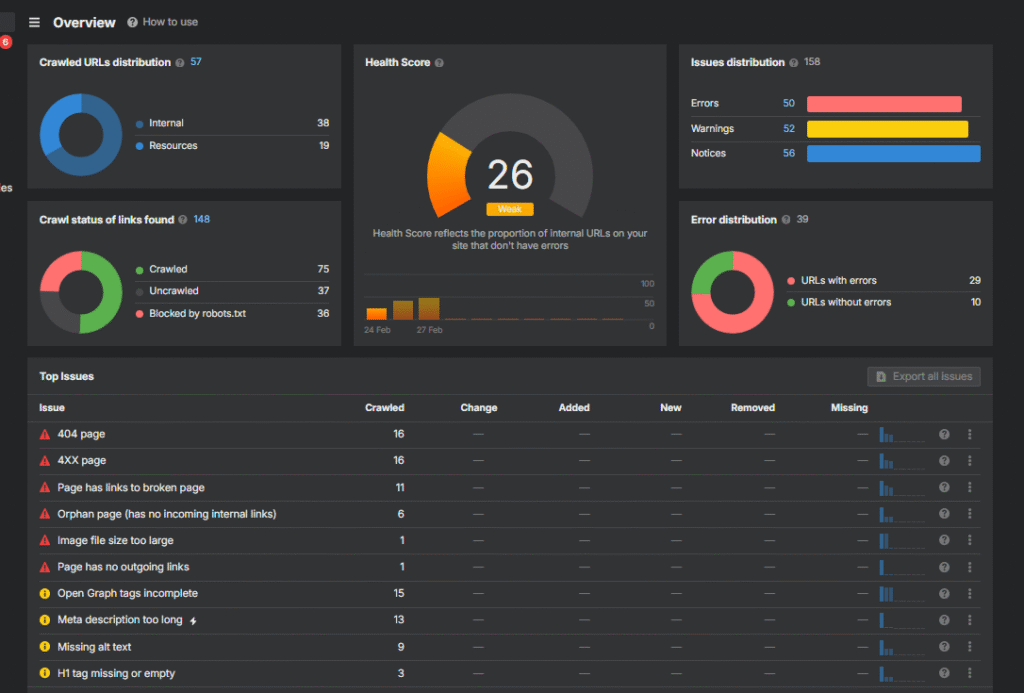
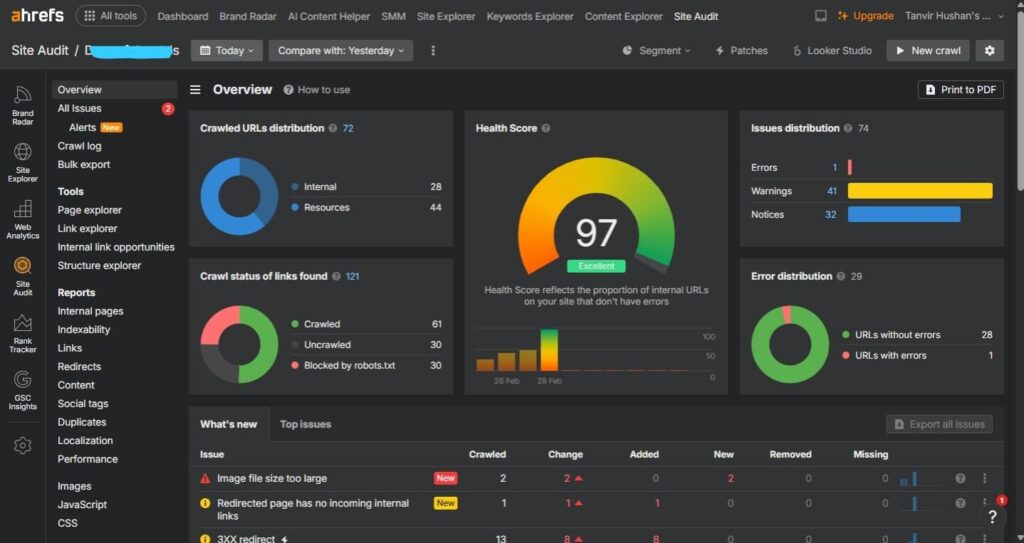
I fix broken links, redirects, duplicate content, and technical errors.
Want to see a real project results after doing Technical SEO & fixing all errors, visit here.
From experience, real estate websites often struggle with indexing location pages. eCommerce sites face duplicate content issues. Local businesses usually have mobile usability problems.
This experience-driven approach ensures practical and lasting improvements.
If you want to fix your website all errors to make your website clean and fresh, feel free to contact Top Rated SEO Expert.
What You Can Expect After Technical SEO Optimization
Once technical issues are properly fixed, the improvement is steady and measurable.
Based on my past work, clients typically see:
- Faster website performance
- Improved crawl efficiency
- Better indexing of key pages
- More stable keyword rankings
- Enhanced user experience
In one eCommerce project, fixing technical issues alone increased organic traffic by over 35 percent within two months.
This proves that Technical SEO is the backbone of your entire SEO strategy.
Common Technical SEO Issues I Fix
These are the problems I regularly solve:
- Slow page speed
- Mobile usability issues
- Crawl errors
- Broken internal links
- Duplicate content
- Poor site architecture
- Missing or incorrect sitemap and robots.txt
Fixing these issues strengthens your website from the inside.
Who This Technical SEO Service Is For
This service is ideal if:
- Your website is slow or underperforming
- Google is not indexing your pages properly
- Your rankings are unstable
- You get traffic but low conversions
- Your website recently went through a redesign
You can learn the basics of search optimization from Google’s SEO starter guide, which explains how websites rank on search engines.
Why My Technical SEO Approach Is Different
I do not depend entirely on tools or automated suggestions.
Every website is manually reviewed and optimized based on real user behavior and search engine patterns.
I focus on solving actual problems instead of generating reports.
This results in long term, stable SEO growth.
Work With Tanvir Hushan
I have been providing Technical SEO services for the past 3 years, working mainly with real estate, beauty, health, eCommerce, and local business websites.
My goal is to build a strong technical foundation that supports long term growth.
If your website is struggling due to technical issues, you are likely missing valuable traffic and rankings.
If you need a professional Technical SEO Service, you can contact Tanvir Hushan.
Why Choose Tanvir Hushan?
Expert SEO Specialists

Work with experienced SEO professionals who manually analyze and fix technical issues to improve site performance, indexing, and long term stability.
Proven SEO Process

Every website is optimized using a structured technical SEO process focused on crawlability, speed, and indexing to deliver consistent and measurable results.
Results Focused Approach

We focus on real outcomes like faster websites, better indexing, and improved rankings by aligning technical SEO with your business goals.
Frequently Asked Questions
What is Technical SEO?
Technical SEO focuses on optimizing the backend of your website to improve crawling, indexing, and performance.
How long does it take to see results?
Most improvements are noticeable within 2 to 6 weeks.
Do you fix all technical issues?
Yes, I identify and fix all critical technical problems affecting performance.
What access do you need?
Website backend, hosting, and Google Search Console access.
Do you work with all industries?
I mainly work with real estate, eCommerce, and local businesses.
I also provide full SEO service. If you want to rank your website on Google or AI platforms, you can feel free to contact Tanvir Hushan.
Book Technical SEO Service for Your Website Today
Get expert Technical SEO to fix errors, improve speed, and build a strong foundation for better rankings, traffic growth, and long term success.